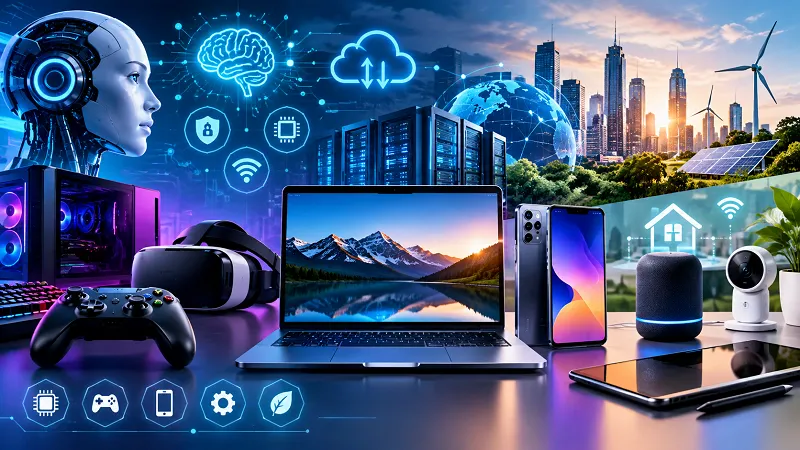
Technology continues to change how people work, communicate, learn, and manage their daily activities. New digital tools, smarter devices, and advanced computer systems are creating opportunities for individuals and businesses. Understanding these developments can help people make better decisions when choosing technology for personal or professional use. Tech trends pboxcomputers is a useful topic for readers who want to explore modern computing developments and understand how emerging technologies may influence the future.
From artificial intelligence to cloud computing, today’s technology landscape offers many interesting possibilities. These innovations are not only changing the computer industry but also influencing education, entertainment, communication, and business operations. Staying informed about these developments can help users prepare for a more connected digital world.
1. Artificial Intelligence Is Transforming Computing
Artificial intelligence (AI) has become one of the most important developments in modern technology. It allows computer systems to perform tasks that traditionally require human thinking, such as recognizing patterns, understanding language, and analyzing information.
How AI Helps Everyday Users
AI-powered applications can make everyday activities easier. For example, writing assistants help people improve their content, virtual assistants respond to questions, and recommendation systems suggest products based on user interests.
Businesses also use AI to organize information, improve customer support, and identify patterns in large amounts of data.
Benefits and Challenges of AI
AI can save time, increase productivity, and support better decision-making. However, users should understand its limitations. AI-generated information can sometimes be inaccurate, and personal information must be handled carefully.
Responsible use is essential when adopting AI-powered tools.
2. Cloud Computing Makes Technology More Flexible
Cloud computing allows users to access software, storage, and computing resources through the internet instead of depending entirely on local devices.
This technology has become valuable for individuals, students, and organizations that need convenient access to digital information.
Why Cloud Services Are Popular
Cloud platforms allow people to store files online and access them from different devices. For example, someone can begin working on a document using a laptop and continue editing it from a smartphone.
Businesses can also use cloud services to manage projects, share documents, and support remote employees.
Important Security Considerations
Although cloud computing offers flexibility, protecting stored information remains important. Users should choose reliable providers, create strong passwords, and enable two-factor authentication whenever available.
Regular backups can also help protect important files.
3. Cybersecurity Is Becoming More Important
As more people use online services, cybersecurity has become a major concern. Cybercriminals use different techniques to steal information, access accounts, and damage computer systems.
Understanding basic security practices is therefore essential for anyone using modern technology.
Common Digital Security Threats
Some common cybersecurity threats include:
- Phishing emails designed to steal personal information.
- Malware that damages devices or collects sensitive data.
- Ransomware that restricts access to important files.
- Password attacks targeting online accounts.
- Unsafe websites that expose visitors to security risks.
Simple Ways to Improve Online Safety
Users can improve their security by installing software updates, using trusted antivirus solutions, and avoiding suspicious downloads.
It is also helpful to use unique passwords for different accounts. Password managers can make this process easier while reducing the risk of password reuse.
Cybersecurity awareness should remain an important part of every technology strategy.
4. Powerful Computer Hardware Continues to Develop
Computer hardware plays an important role in determining how efficiently a device performs different tasks. Manufacturers continue developing processors, graphics cards, memory systems, and storage technologies to support modern computing requirements.
Faster Processors and Better Performance
Modern processors are designed to handle multiple tasks efficiently. They support activities such as video editing, gaming, programming, and professional applications.
When purchasing a computer, users should consider processor performance according to their actual needs rather than selecting the most expensive option.
SSD Storage and Memory Improvements
Solid-state drives (SSDs) offer quicker data access and better performance compared to traditional hard disk drives. They can improve computer startup times, application loading, and file transfers.
Meanwhile, sufficient RAM helps computers manage multiple applications without unnecessary slowdowns.
Choosing suitable hardware can improve productivity and extend a computer’s useful life.
5. The Growth of Remote Work Technology
Remote work has changed how many organizations manage their teams. Employees can now communicate, attend meetings, and complete projects without always working from a traditional office.
Digital collaboration tools make this possible by connecting people across different locations.
Tools Supporting Remote Teams
Video conferencing applications, cloud-based documents, project management platforms, and messaging services help employees coordinate their responsibilities.
These tools also allow businesses to share information and monitor project progress.
Advantages of Remote Working
Remote work can provide flexibility, reduce commuting requirements, and create opportunities for people working from different locations.
However, it also requires reliable internet access, good communication, and effective time management.
6. Smart Devices Are Creating Connected Homes
Smart home technology is another interesting development in the modern computing industry. These devices connect household equipment to the internet and allow users to control certain functions remotely.
Examples include smart lights, security cameras, connected thermostats, and intelligent home assistants.
How Smart Home Systems Work
Many smart devices use wireless connections and mobile applications to communicate with users. Some systems also support voice commands and automated schedules.
For example, homeowners can schedule lighting, check security cameras, or adjust compatible thermostats through their smartphones.
Choosing Smart Devices Carefully
Before purchasing connected devices, check their compatibility with existing equipment. Also review privacy settings, security updates, and the manufacturer’s support policies.
A carefully planned smart home can offer convenience without creating unnecessary complexity.
7. Green Computing Is Gaining Attention
Green computing focuses on reducing the environmental impact of computers and other digital equipment. It encourages responsible energy consumption, longer device lifespans, and better electronic waste management.
Practical Ways to Support Green Computing
Users can make environmentally responsible choices through simple habits:
- Turn off computers when they are not needed.
- Choose energy-efficient equipment.
- Repair devices instead of replacing them immediately.
- Recycle electronic products through appropriate facilities.
- Avoid unnecessary hardware upgrades.
These practices can reduce electronic waste and help conserve resources.
Manufacturers also have an important role in developing durable products and improving energy efficiency.
8. How to Stay Updated With Tech Trends PBoxComputers
Technology changes quickly, making regular learning important for anyone interested in computers and digital innovation. Following reliable technology publications, product announcements, and educational resources can help readers understand new developments.
Follow Reliable Technology Sources
Readers should explore established technology websites, official manufacturer announcements, and professional publications. Comparing information from different sources can help separate genuine developments from exaggerated claims.
Learn Through Practical Experience
Reading about technology is useful, but practical experience provides additional understanding. Users can explore new applications, test software features, and learn basic computer maintenance.
Students and professionals can also improve their knowledge through online courses and technical tutorials.
Focus on Useful Innovations
Not every new product or digital trend deserves attention. Before adopting a new technology, consider its purpose, cost, security, and practical benefits.
This approach makes it easier to identify innovations that genuinely improve everyday activities.
9. Challenges That Come With Modern Technology
Although technological progress creates many opportunities, it also introduces certain challenges.
The cost of upgrading devices can be difficult for people with limited budgets. Privacy concerns may arise when applications collect personal information. Additionally, rapidly changing software and hardware can make it challenging for users to keep their knowledge current.
Another concern is the digital skills gap. People who lack access to suitable devices or reliable internet connections may struggle to benefit from technological developments.
Education, responsible product selection, and digital awareness can help address these challenges.
Conclusion
Technology continues to influence almost every part of modern life. Artificial intelligence, cloud computing, cybersecurity, improved hardware, smart home systems, and green computing are important developments shaping the digital world.
Understanding tech trends pboxcomputers can help readers recognize useful innovations, make informed purchasing decisions, and develop better digital habits. Instead of following every new release, users should focus on technologies that offer practical benefits, protect personal information, and support their everyday needs.
Staying curious, learning continuously, and using technology responsibly are valuable ways to prepare for future developments in the computer industry.